Itineraries
How to plan a trip to Japan: a complete 14-day itinerary
Tokyo, Kyoto, Hakone and Osaka in an itinerary battle-tested by our consultants. JR Pass, best season, real costs and what nobody tells you before boarding.
Why 14 days is the sweet spot for a first trip to Japan
Japan rewards patience. In two weeks, a traveller crosses three eras of the country without rushing: the Tokyo of mirrored elevators, the Kyoto of centuries-old temples, and the onsens wrapped in Fuji's mist. Less than that, and jet lag steals the first days. More than that, and the rhythm loses the poetic tension that defines the destination.
This itinerary has been refined across dozens of consultancy bookings — and it works for couples, families with teens, and solo travellers who want to move elegantly through the country.
When to go: the four seasons land differently
Japan is perhaps the only destination in the world where the season completely transforms the experience. It's not about whether it'll rain. It's an entirely different landscape.
- Spring (late March to mid-April) — sakura, cherry blossom season. The most coveted, most expensive, most cinematic.
- Autumn (late October to late November) — koyo, the red leaves. As beautiful as sakura, with less competition for hotels.
- Summer (June to August) — hot and humid, but the only window to climb Mount Fuji and the peak season for festivals (matsuri).
- Winter (December to February) — snow in Hokkaido, steaming onsens, and the lowest airfare of the year.
For a first trip, we recommend April or November. The landscapes match the imagination, and the light is generous for photography.
The 14-day itinerary
Days 1–4: Tokyo
Land at Narita or Haneda and head straight to your hotel — usually in Shinjuku, Ginza or Marunouchi. Save day one for a jet lag walk: begin at Meiji Jingu, cross Harajuku, lunch in Omotesando, late afternoon in Shibuya.
In the following days:
- Day 2 — Asakusa (Senso-ji), Sumida river boat to Hamarikyu, dinner in Ginza.
- Day 3 — TeamLab Planets or Borderless in the morning, afternoon in Akihabara or Ueno, dinner in Ebisu.
- Day 4 — day trip by train to Nikko or Kamakura.
Insight from hundreds of itineraries: don't try to "see everything." Pick four neighbourhoods and go deep. Japan is the opposite of a checklist.
Days 5–6: Hakone and Mount Fuji
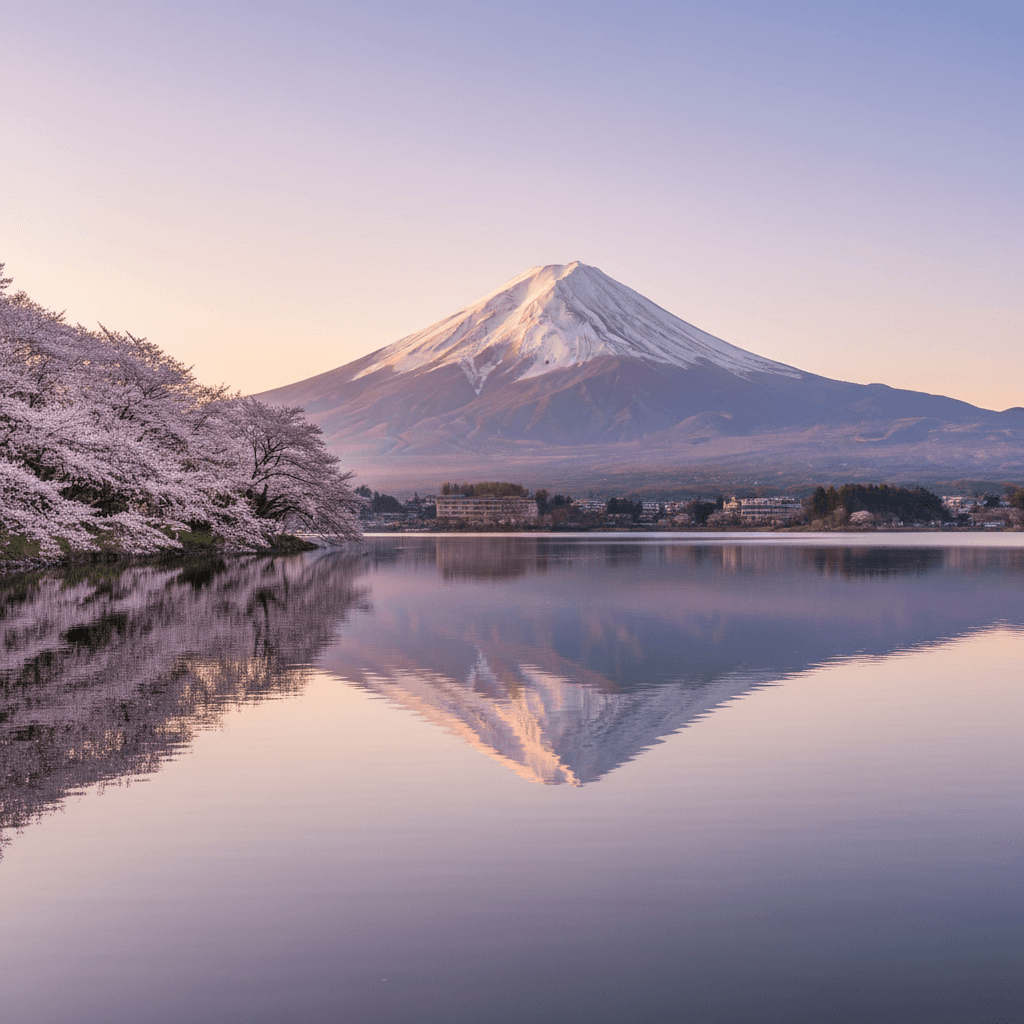
Take the Romancecar from Shinjuku to Hakone-Yumoto. Stay in a traditional ryokan with a private onsen overlooking the valley. On clear days, Fuji appears at Lake Ashi and the Owakudani ropeway.
Days 7–10: Kyoto
Four nights in Kyoto isn't luxury, it's necessity. The city has more than 1,600 temples. Prioritise:
- Fushimi Inari at sunrise (before 7am, no crowds)
- Arashiyama with the bamboo grove and Tenryu-ji
- Higashiyama for the pilgrimage between Kiyomizu-dera, Yasaka and Gion
- Kinkaku-ji in late afternoon, with golden light on the pavilion
- A full day trip to Nara — sacred deer and Todai-ji
Days 11–12: Osaka
Osaka is Kyoto's carnal counterpoint. Eat like an Osakan: takoyaki in Dotonbori, kushikatsu in Shinsekai, sushi in Kuromon. A side trip to Himeji or Koyasan works for those wanting to go beyond the obvious.
Days 13–14: Hiroshima day trip and return
Hiroshima in half a day, Miyajima the other. Itsukushima's floating torii is one of Japan's most symbolic images. Return to Tokyo on the night of day 13 and sleep near the airport.
JR Pass: is it worth it in 2026?
After the fare adjustment, the math changed. For the itinerary above — Tokyo → Hakone → Kyoto → Osaka → Hiroshima → Tokyo — the 14-day JR Pass is still worth it, but by a thinner margin. Compare individual tickets before buying. For shorter itineraries (up to 7 days) or those concentrated in one region, it usually isn't worth it.
| Itinerary | 14-day JR Pass (¥80,000) | Individual tickets |
|---|---|---|
| Tokyo–Kyoto–Hiroshima round trip | ✅ worth it | ¥58k–65k |
| Just Tokyo–Kyoto round trip | ❌ not worth it | ¥28k |
| Multiple regions + day trips | ✅✅ worth it | ¥90k+ |
What does a trip to Japan cost in 2026?
For 14 days, two travellers at "boutique comfort" level (4★ hotels, interesting but not daily-Michelin dinners, ordinary class trains):
- Brazil–Japan flights: USD 1,800 to 2,800 per person
- 13 nights of lodging: USD 3,600 to 6,400 (couple)
- Trains and internal transport: USD 900 (couple)
- Food + attractions: USD 2,400 to 3,600 (couple)
Reference total: USD 11,000 to 16,000 for the couple. It can be done leaner — and much more expensive too, especially with premium ryokans in Hakone or Kanazawa.
Mistakes we see constantly
- Booking popular trains last minute — Hayabusa, Nozomi and scenic trains sell out. Reserve 30 days ahead.
- Landing in the morning and sightseeing the same day — you'll crash by 5pm. Plan a light first day.
- Underestimating luggage logistics — Japan has the world's best takkyubin (luggage forwarding between hotels). Use it.
- Ignoring restaurants that require concierge bookings — the best places don't accept foreigners without referral. A consultant with local contacts is worth gold.
How our consultancy fits into the itinerary
Every Japan itinerary we design starts from this 14-day backbone but is adapted: luxury level, pace, interests (gastronomy, architecture, anime, design, gardens). We reserve ryokans with guaranteed Fuji views, tables at restaurants that don't take online bookings, private guides in Kyoto, and cars with drivers for the more delicate legs. If it makes sense, chat with our consultancy is the natural step before buying any flight — we begin with the conversation, not the quote.